Why Digital Business Cards Are Replacing Traditional Business Cards
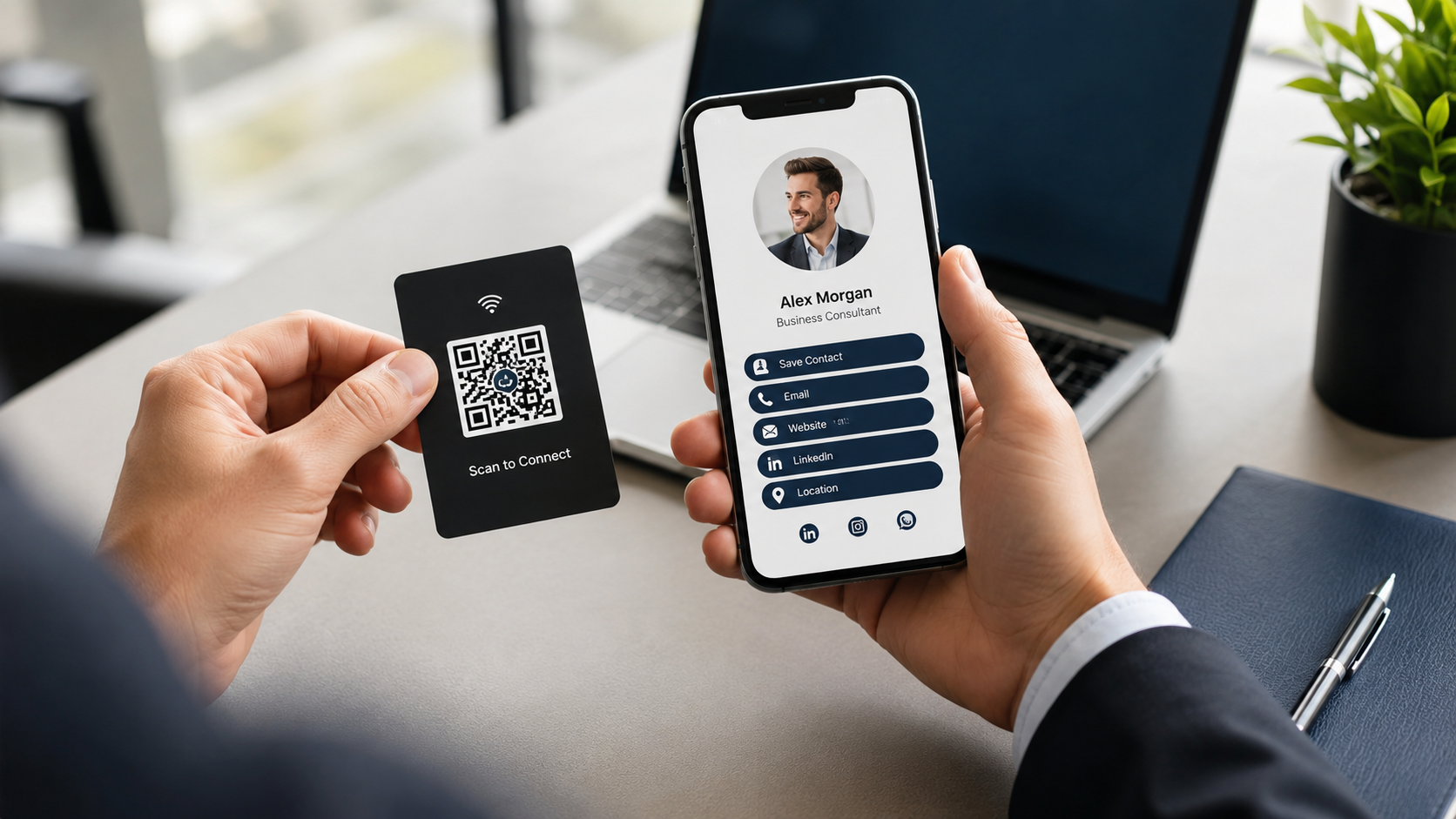
Traditional business cards are limited by paper, storage and outdated information. Digital business cards give professionals a smarter way to share their identity, stay connected and keep their information accessible from anywhere.
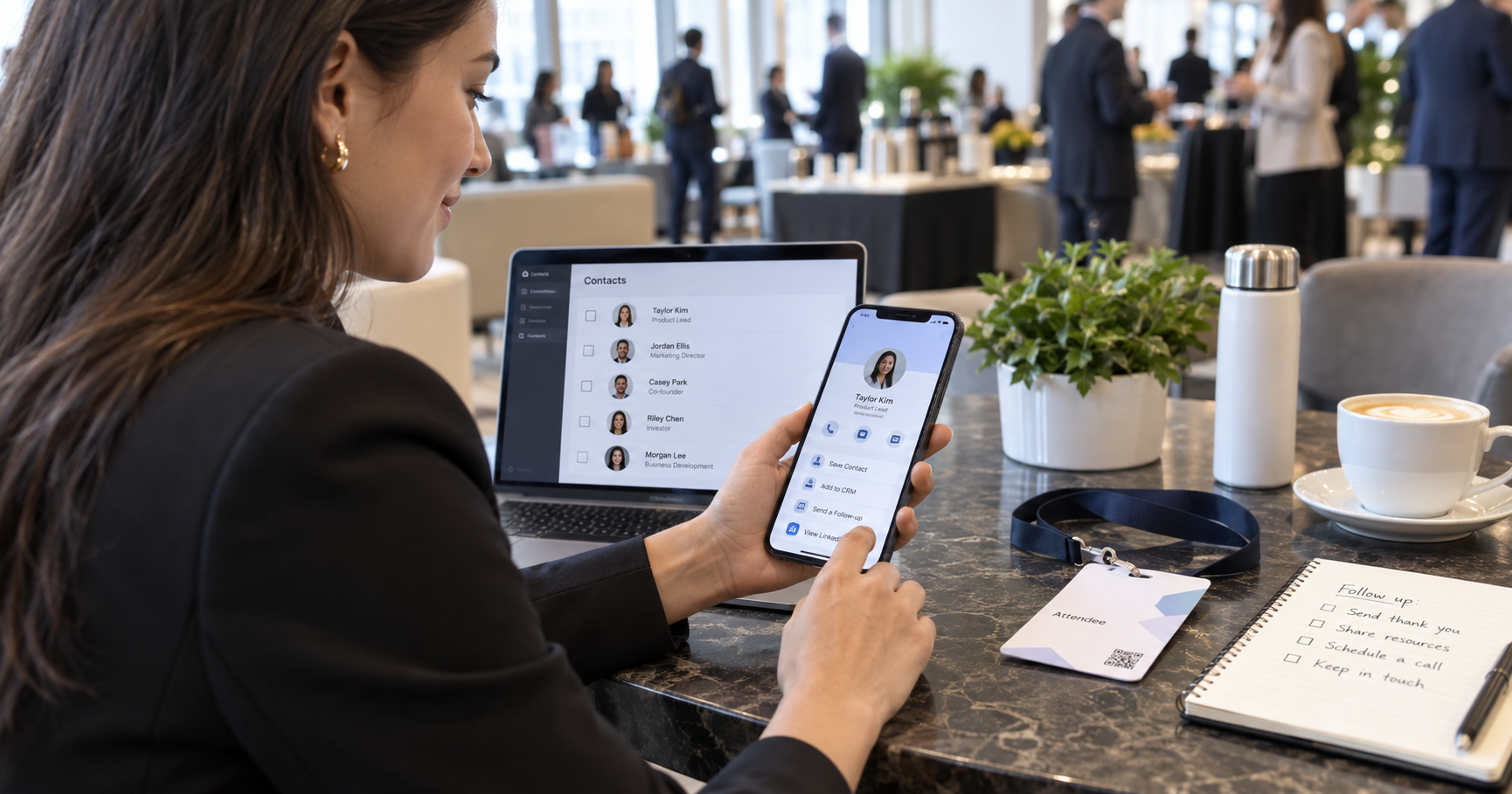
Walk into any meeting today and you will still see the same ritual: the polite exchange of laminated rectangles, the shuffle to find a spare card, and the quiet promise to “be in touch.” Yet a growing number of meetings end differently — one person taps their phone and shares a smart link that carries their name, company, services, website and every contact channel in a single tap.
That shift is not a trend chasing novelty. It is a response to how people actually collect, store and use contact information in 2026. Paper cards get lost, forgotten in pockets, or degrade into typos waiting to be typed into a phone. A digital business card keeps your identity live, accurate and instantly shareable — the reasons are simple, practical and increasingly hard to argue with.
Paper cards lose value the moment they are printed
A printed card captures a single moment in time: your role, your number, your old email address. The moment anything changes — a phone number, a job title, a service offering — every card you ever printed becomes outdated. Professionals typically reorder cards once or twice a year, and each reorder means throwing away a box of something that no longer represents who you are.
With a digital card there is nothing to reprint. You update your details and the change goes live instantly, everywhere the card has been shared. Every scan, every tap, every link shows the most current version of you.
Sharing should take seconds, not fumbling
The second a conversation ends, most business cards are either scooped up with the coffee receipts or actively forgotten. Even when someone keeps your card, your contact details still need to be manually typed into a phone — where typos and abandoned attempts live in the dozens.
A digital card collapses the whole process into one action:
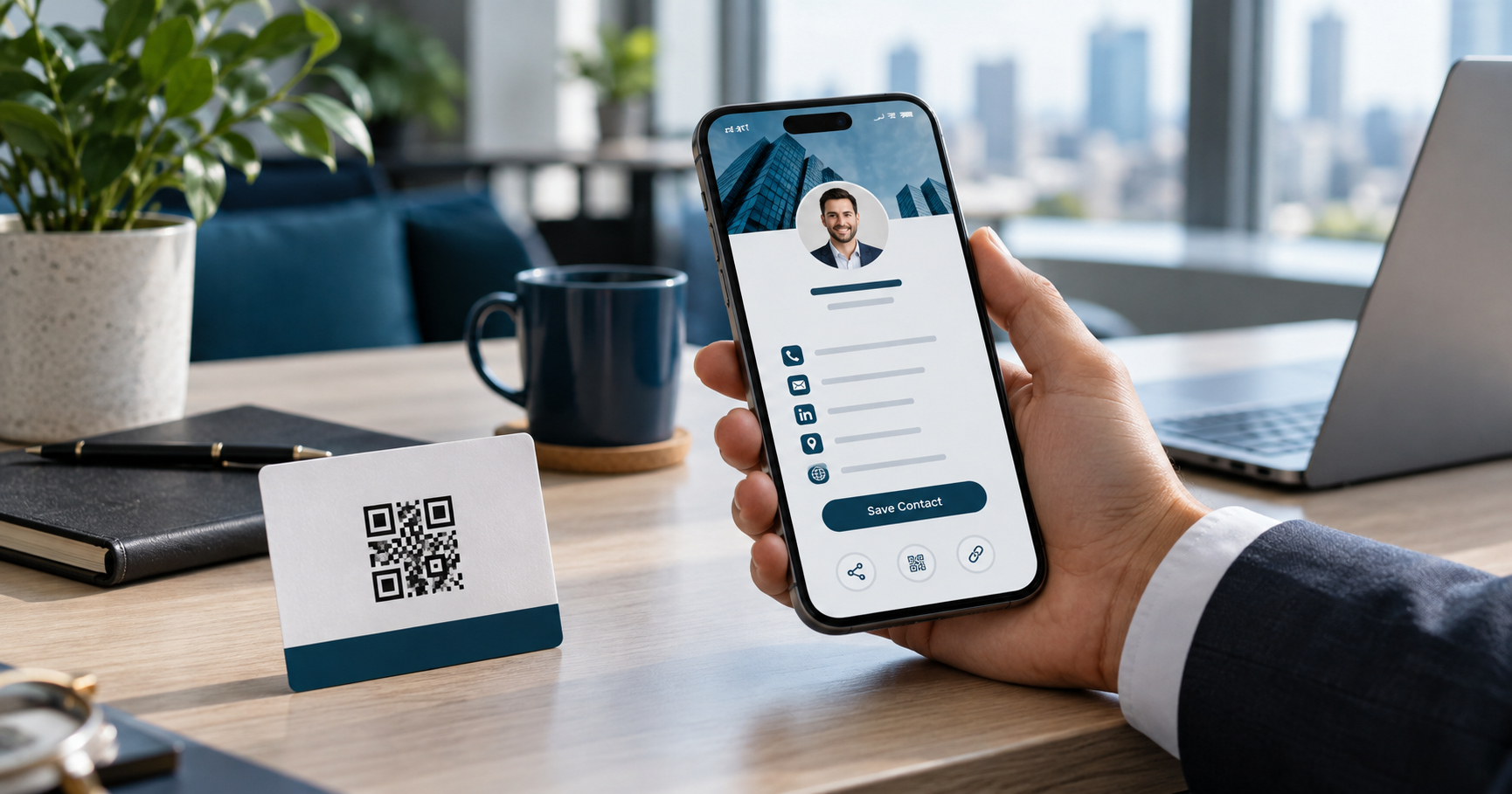
- Tap a link, scan a QR code, or share the card to WhatsApp in under five seconds.
- The contact can save you to their phone with one additional tap.
- Everything — phone, email, WhatsApp, website, social profiles, location — lives in one place.
One link replaces a stack of materials
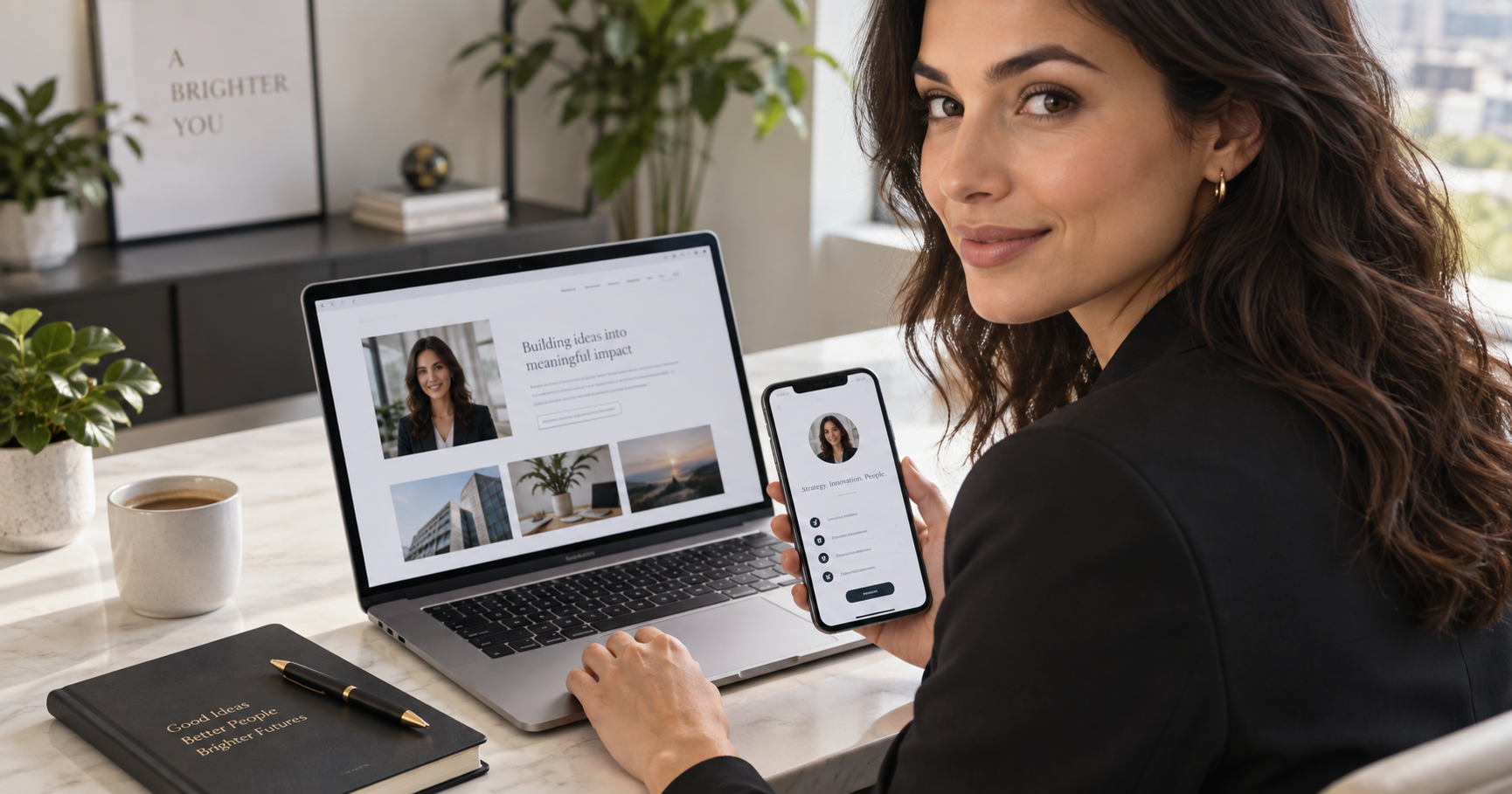
Traditional cards often try to say too much in too little space: services crammed around a logo, a slogan, a website address. Digital cards have no such limitation. One identity can include contact information, services, products, a portfolio, links to booking and reviews, maps — all navigable, all styled around your brand.
Pro tip
Every time you hand over a physical card, ask yourself what else that person could have learned about you in the same ten seconds. With a digital card, the answer is usually: everything.
Better connections, zero pressure
Even the classic “card exchange” comes with pressure — is my card thick enough? Is the finish glossy enough? Digital removes the guesswork. A QR scan feels modern, minimal and intentional. And for the professional who cares about closing, the follow-up stays in their control: when someone scans your card, you remain one tap away whether they reach out today or next month.
The direction is clear
Smartphones, QR screens and contactless networking are table stakes now. Paper cards will always have their charm — but professionals are realising the card that updates itself, stays reachable, and can be shared in one tap is the one that actually gets people connected.
Stop printing. Start sharing.
Get your own smart digital business card — designed, published and managed for you by the VynkCard studio.
Create My VynkCard