Digital Business Cards vs Traditional Business Cards

Paper versus pixel — an honest comparison of cost, usability, scalability and staying power between the two formats, and the answer modern professionals accept.
The question most professionals face today is not whether networking matters — it is whether the printed rectangle still earns its pocket space. Let us set them side by side honestly: the paper crafts and the digital systems, and see which format wins on the factors that matter.
The reality of the paper card
- Paper — a craft, reproducible and stylish, but at a cost.
- Easy to lose — pockets, piles, the floor of the car.
- Difficult to update — every change means a reprint.
- Limited information — a name, a title, a phone number.
- Printing cost — for every revision, every batch.
What the digital card brings
- Always accessible — a live link never goes missing.
- Easy to update — one change spreads everywhere.
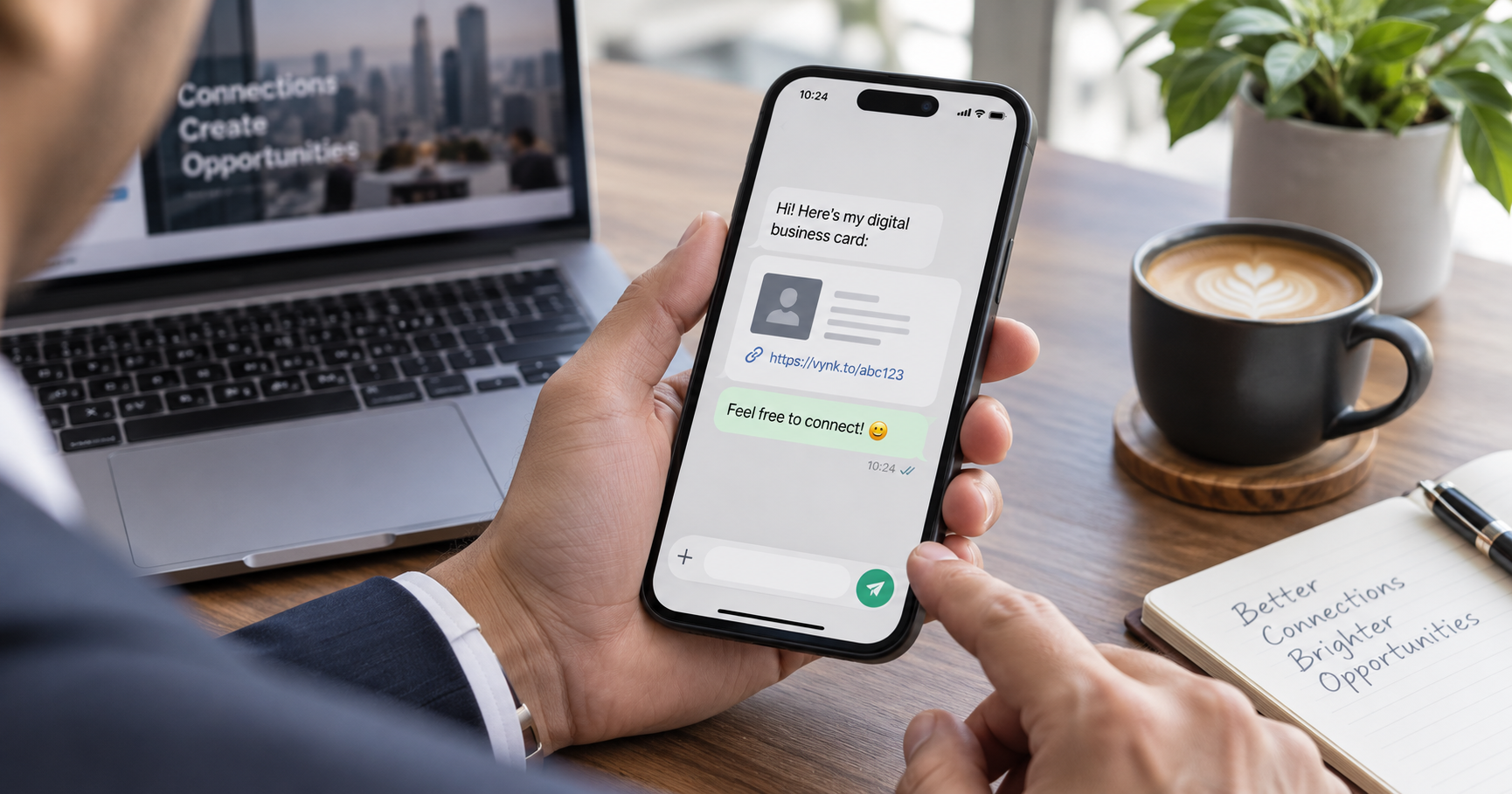
- Shareable — WhatsApp, link, tap, QR, in seconds.
- Multimedia capable — video, portfolio, booking, social, maps.
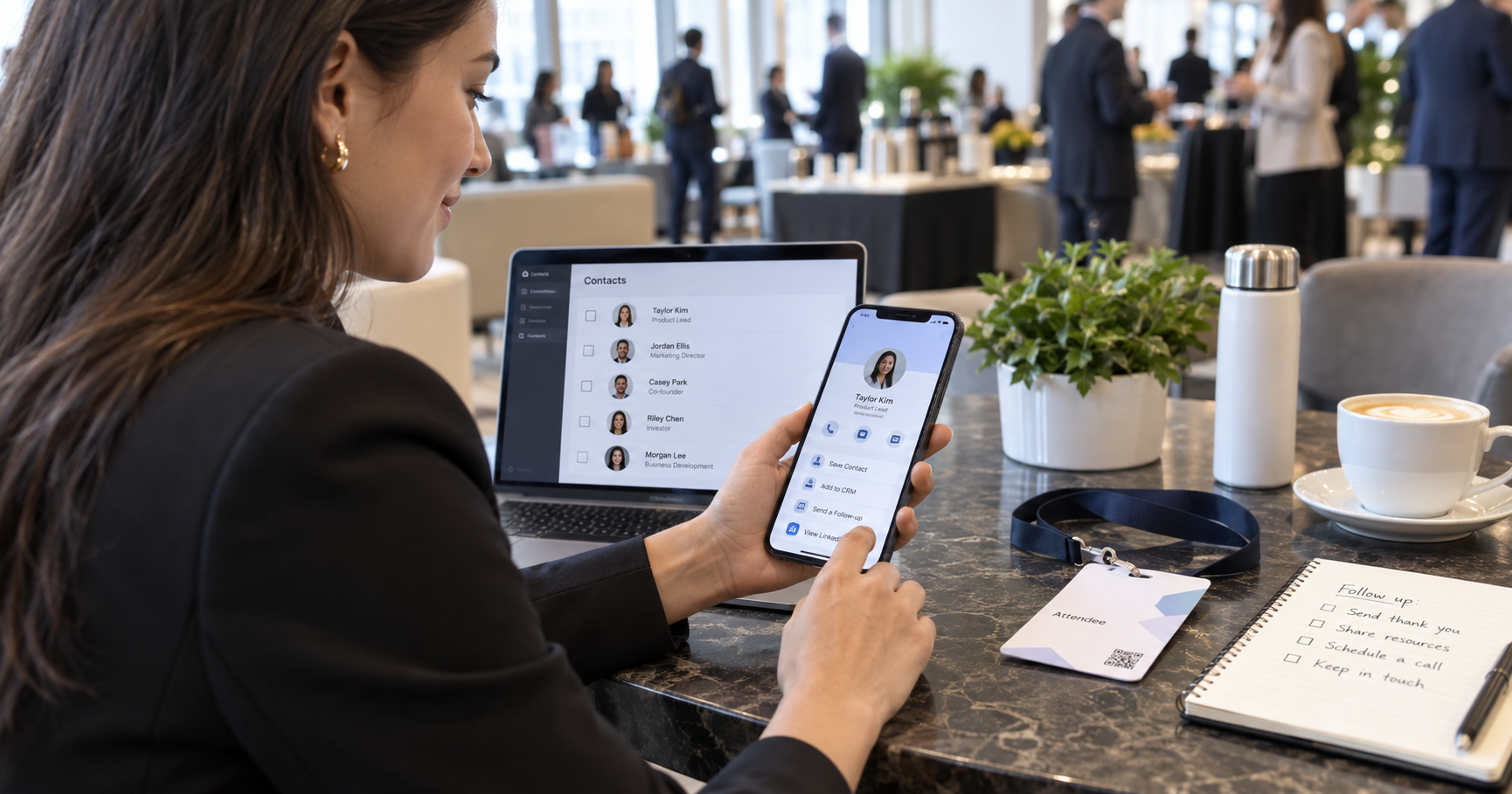
- QR enabled — one scan replaces hunting for contact details.
- Contact saving — one tap into the phone book.
- Analytics potential — know who scanned and what they browsed.
The scorecard always says the same
Paper remains perfect for a niche: a handcrafted luxury feel on a special occasion. But measure by conversions, currency and scale — digital wins in every column that matters to growth: accessibility, updates, sharing, analytics. The printed card stopped being the professional default the moment phones and QR became universal; the smart majority has already moved.
Pro tip
You do not have to choose instantly: some professionals keep a small print card for signatures — and put the real work on the digital card that carries their identity, services and follow-through.
Choose the card the future accepts
Migrate your contacts to a digital identity that never goes out of date.
Create My VynkCard